From The Workshop
Behind every craft beverage and wood-fired meal is a process refined over years—sometimes centuries. Here’s how the craft works.
What This Is
Craft brewing, smoking meats, and wood-fired cooking aren’t shortcuts. They’re deliberate processes that take time, attention, and knowledge passed down through generations. Whether you’re curious about how brewers create distinctive flavors, how low-and-slow smoking transforms tough cuts into tender offerings, or how Italian-style wood-fired ovens reach perfect cooking temperatures, this guide walks through the core steps each craft requires.
These aren’t substitutes for hands-on learning—they’re reference points to help you understand what’s happening inside the kettle, smoker, or oven.
The Craft Brewing Process
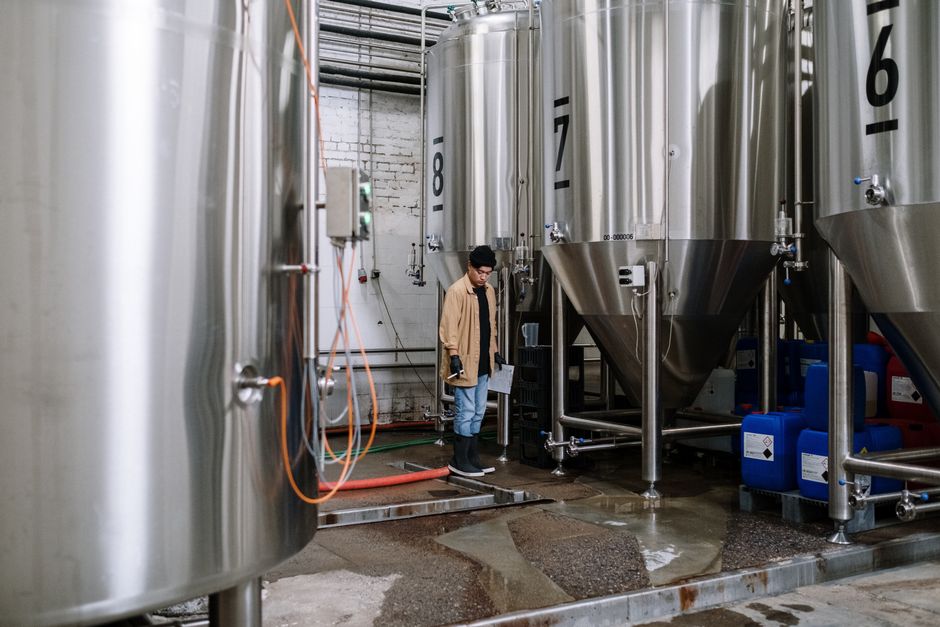
Craft brewing starts with four ingredients: water, grain, hops, and yeast. But the magic happens in how brewers balance temperature, timing, and technique to coax flavors out of each component. The following steps represent a classic ale or lager brew day, from grain to fermentation.
How To Use This Guide
Step 1: Grain Preparation (Mashing)
Crushed grain is steeped in hot water (typically 149–158°F / 65–70°C) for 60 minutes. This activates enzymes that convert starches into fermentable sugars. Temperature control is critical—too cold and conversion is incomplete; too hot and you extract harsh tannins.
Step 2: Lautering (Running Off the Grain)
The liquid (wort) is carefully run off from the grain bed and collected. This is where brewers separate the sugar-rich liquid from spent grain. The grain bed acts as a filter, clarifying the wort while providing one last extraction of sugars.
Step 3: The Boil
The wort is brought to a vigorous boil and held there for 60–90 minutes. This sterilizes the liquid, drives off unwanted compounds, and allows hops to be added at specific intervals. Early hops additions provide bitterness; late additions contribute aroma and flavor.
Step 4: Cooling & Aeration
After the boil, the wort is cooled rapidly (ideally to 65–70°F / 18–21°C for ale, lower for lager) and aerated. Yeast needs oxygen at the start of fermentation to build healthy cell walls. This step sets the stage for clean fermentation.
Step 5: Fermentation & Conditioning
Yeast is pitched into the cooled wort and ferments for 7–14 days (ales) or 2–4 weeks (lagers). During this time, yeast consumes sugars and produces alcohol and CO₂, along with flavor compounds called esters and phenols. After fermentation, the beer is conditioned in bottles or kegs for weeks to months to develop final flavors and carbonation.
Smoking & BBQ
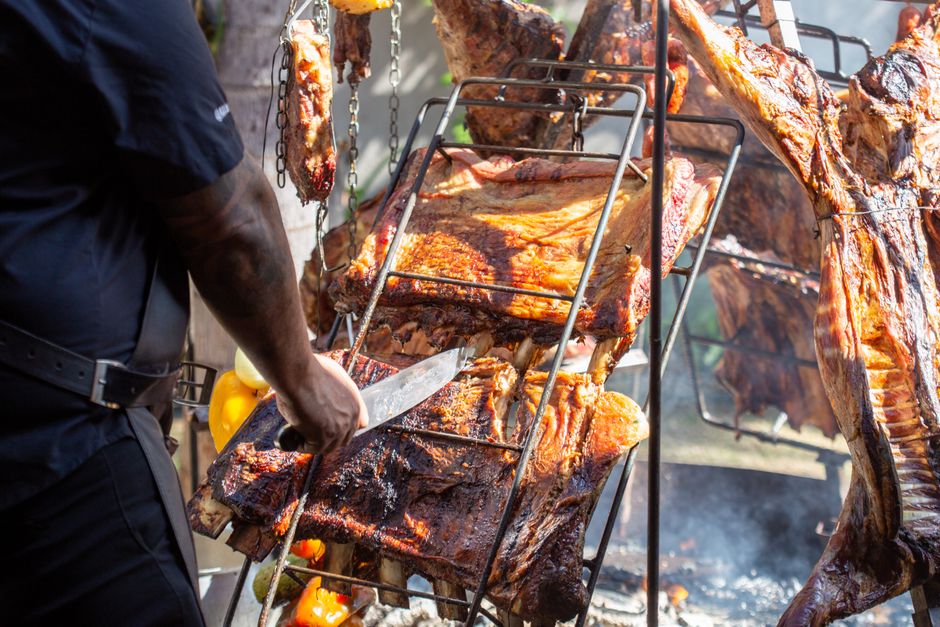
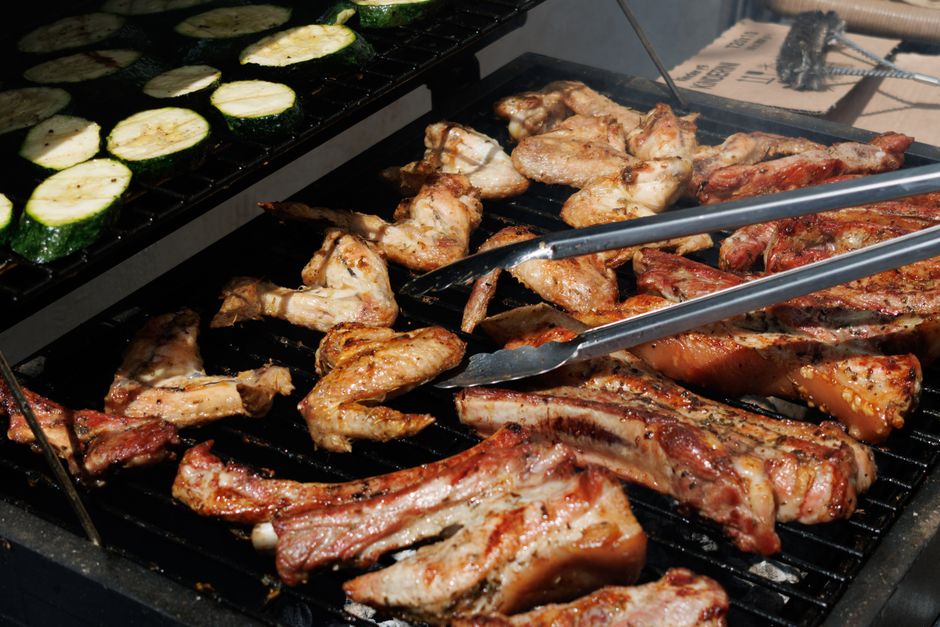
Low-and-slow smoking takes 6–16 hours depending on the cut and target temperature. Meat is held between 225–275°F in a smoke chamber, absorbing smoke flavor while collagen breaks down into gelatin, creating tenderness.
Reference: Craft Process Temperatures & Times
| Craft Process | Temperature (°F) | Duration | Key Variables |
|---|---|---|---|
| Grain Mashing (Brewing) | 149–158°F | 60 min | Grain type, rest temps, water ratio |
| Wort Boil (Brewing) | 212°F | 60–90 min | Hop additions, vigorous rolling boil |
| Ale Fermentation | 65–72°F | 7–14 days | Yeast strain, pitch rate, aeration |
| Lager Fermentation | 50–58°F | 14–28 days | Cold holding, diacetyl rest if needed |
| BBQ Smoking (Brisket) | 225–275°F | 12–16 hours | Wood type, humidity, wrapped vs. unwrapped |
| BBQ Smoking (Ribs) | 225–250°F | 5–6 hours | Rub composition, sauce timing, probe test |
| Wood-Fired Oven (Pizza) | 750–900°F | 60–90 sec | Floor temp, flame position, dough hydration |
| Wood-Fired Oven (Bread) | 650–750°F | 45–60 min | Residual heat, steam injection, crust color |
Wood-Fired Cooking
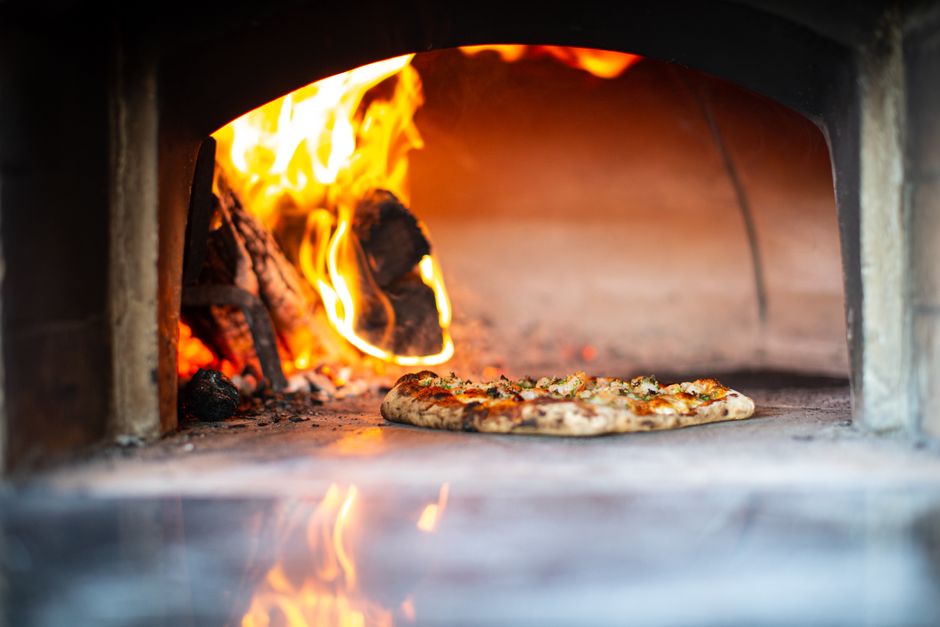
Wood-fired ovens operate at extreme temperatures—750–900°F for pizza, 650–750°F for bread. At these temps, the oven floor does most of the work: crust sets in 60–90 seconds for pizza, and heat radiates from the dome to cook bread through. The craft is learning your specific oven’s hot spots and adjusting placement accordingly.
Why This Matters
These processes take time because flavor, texture, and safety all depend on respecting the chemistry and biology at work. A brewer who cuts corners on cooling or fermentation temperatures won’t get clean fermentation. A pitmaster who rushes the smoke won’t achieve the collagen breakdown that makes meat tender. A wood-fire baker who doesn’t understand oven carryover heat will scorch the outside before the inside bakes.
Understanding these steps is the first step toward appreciating—and creating—craft food and drink. Whether you’re an aspiring brewer, a curious diner, or someone thinking about smoking meat at home, the craft is worth the time.
Quality Starts With Process
When you taste a well-crafted beer, BBQ, or wood-fired pizza, you’re experiencing the results of disciplined attention to temperature, time, and ingredients. These aren’t shortcuts—they’re the foundation of every craft that respects its ingredients and its audience.