Storage and Serving Guide
Keep Your Beer and Food at Peak Quality
What This Guide Covers
Whether you’re storing craft beer, keeping prepared food fresh, or planning how to serve both at their best, temperature and timing are everything. This guide walks through the practical details that keep what you love tasting like it should.
Storage and Serving Reference
| Item | Storage Temp | Serving Temp | Shelf Life |
|---|---|---|---|
| Pale Ale & IPA | 32-55°F (cool/dark) | 50-55°F | 3-6 months |
| Lager | 32-50°F | 38-50°F | 4-8 months |
| Stout & Porter | 32-65°F | 50-60°F | 6-12 months |
| Cooked BBQ/Meat | 32-40°F (fridge) | 140°F+ (hot) | 3-4 days |
| Pizza (leftovers) | 32-40°F (fridge) | 160°F+ (hot) | 3-4 days |
Key Storage Facts
40°F
Safe refrigerator temperature for all cooked foods
2 hours
Time limit before hot food must be refrigerated
3-4 days
Standard safe storage for most cooked foods
The Details That Matter
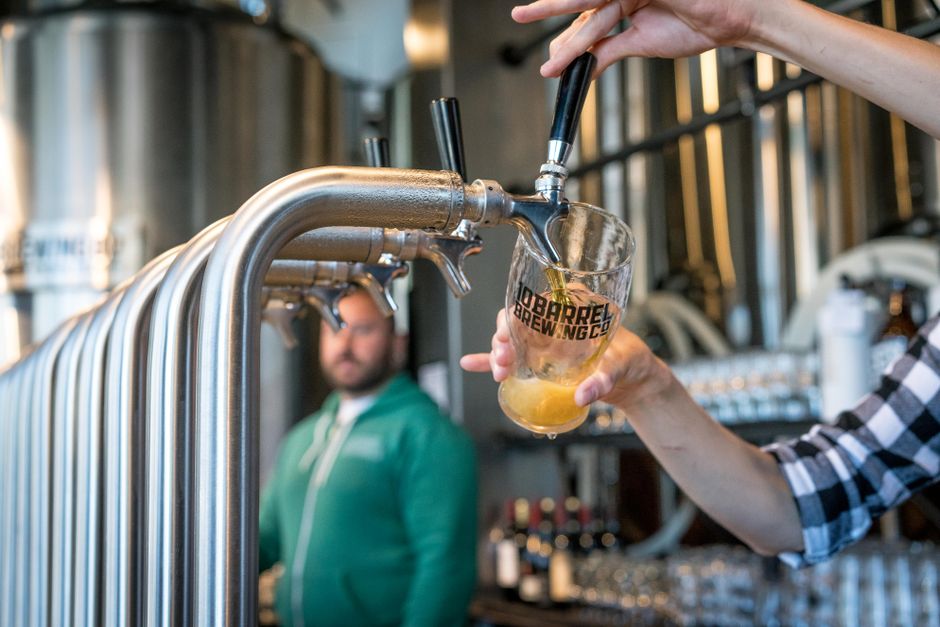
Beer storage depends on the style. Lighter beers like lagers and pale ales are more sensitive to heat and light, so keep them cool and away from sunlight. Darker beers and stouts can handle warmer storage. Once opened, beer stays fresh for a few hours at room temperature, but days when kept cold. Store bottles upright (labels down for labels to stay intact longer) and cans in any position.
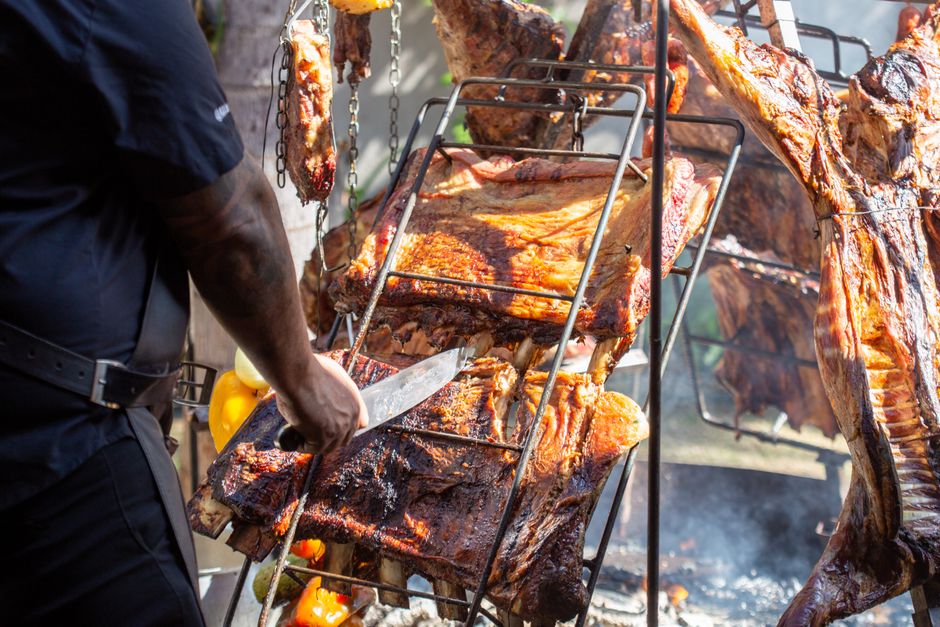
Cooked barbecue and leftovers should go in the fridge within two hours and be kept at 40°F or below to stay safe to eat. You can verify these storage guidelines directly at the USDA Food Safety and Inspection Service. Most cooked meats last 3-4 days when properly stored in airtight containers. Reheating should bring food back to 165°F throughout.
Serving temperature changes how beer and food taste. Beer styles have ideal serving temperatures: lighter lagers around 40-50°F, richer stouts around 50-60°F, and hoppy ales closer to 55°F. Food is best served hot enough to enjoy safely—cooked BBQ at 140°F or higher. Letting meat rest at room temperature after cooking locks in juices before refrigerating.
How to Get It Right
- Check your fridge temperature. Use a simple fridge thermometer (under $10) to verify it stays at 40°F or below. This is the foundation of food safety.
- Cool food properly. Let hot food rest for 10-15 minutes after cooking, then transfer to airtight containers for refrigeration. Never leave it sitting at room temperature.
- Label and date containers. Write the date on everything you store. This removes guesswork about what’s safe to eat.
- Serve beer at the right temperature. Keep your fridge section for beer at 40°F, but pour into chilled glasses. The temperature of the glass matters as much as the bottle.
- Store bottles upright. Beer stored on its side ages faster because more of the liquid touches the cap. Upright position keeps contact minimal.
- Avoid temperature swings. Keep storage areas consistent. Temperature swings cause condensation and speed up spoilage.